
🏊
Caroline
Started the Marathon Plan
Recently
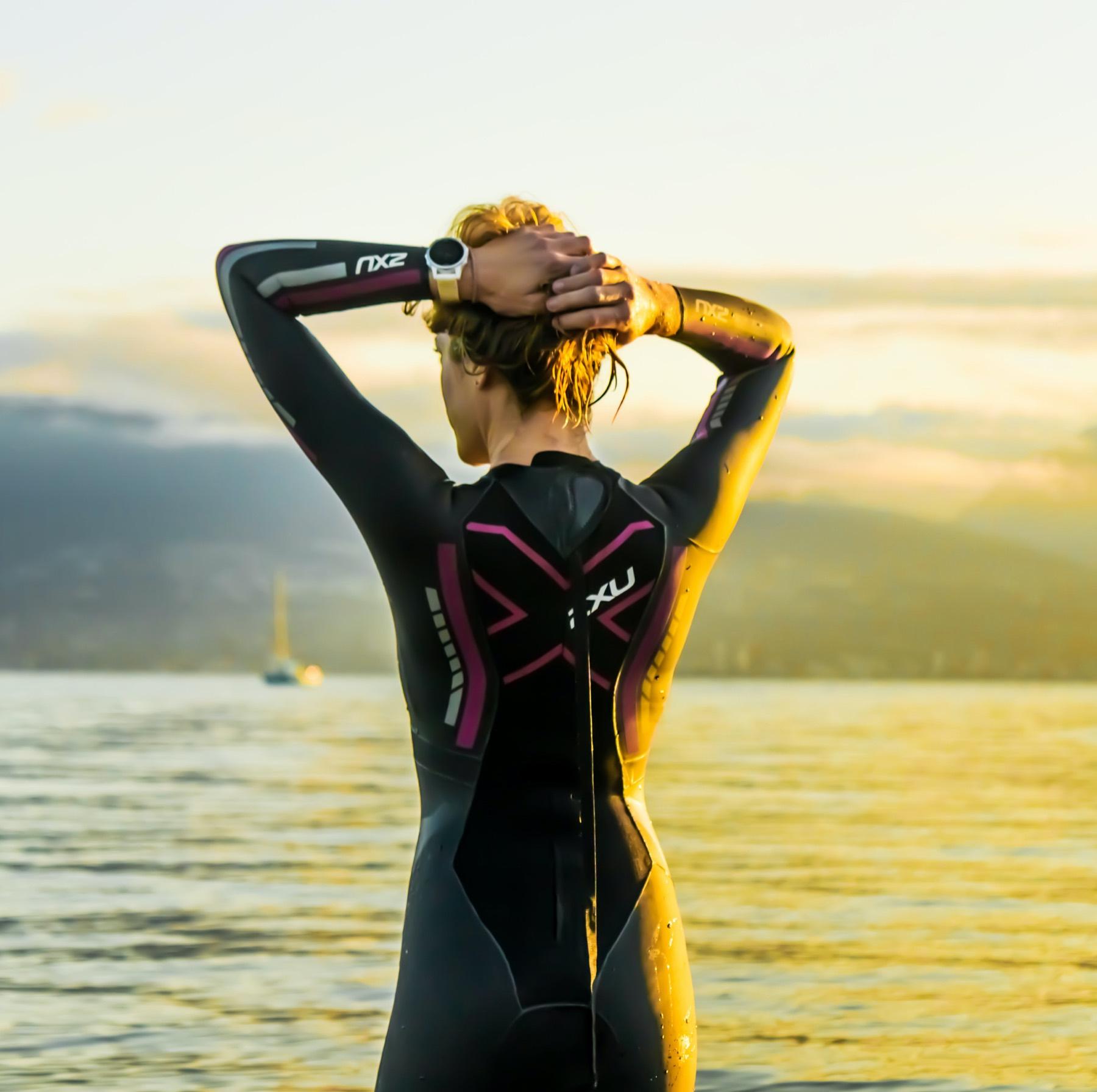
Train for the swim leg
A triathlon swimming app should prepare you to cover the race distance efficiently, hold a sustainable pace, navigate in open water, and leave the water ready to bike. DuoSwim provides swim-focused plans for super sprint through full-distance triathlon, plus open-water and endurance options. It does not replace bike, run, transition, or complete race programming.
Choose distance-specific swim plans for super sprint, sprint, Olympic, 70.3, or full-distance racing.
Build most fitness safely in the pool, then rehearse navigation and race conditions in open water.
Train pacing and endurance for the swim without treating it as an isolated time trial.
The triathlon swim is not simply a pool race moved outdoors. Starts can be crowded, sighting interrupts normal stroke rhythm, navigation affects total distance, and poor pacing can carry fatigue onto the bike. Training should therefore combine swimming fitness with skills that make that fitness usable on race day.
Most weekly work can still happen in a pool, where pace and distance are easier to control. Open-water sessions then add venue-specific practice such as starts, sighting, drafting, turns around buoys, and swimming continuously in a wetsuit when the event and conditions permit it.
Super sprint and sprint preparation can place more emphasis on settling quickly after a fast start while keeping technique intact. Olympic-distance swimmers need enough aerobic durability to sustain 1.5 kilometres before cycling. The 1.9-kilometre 70.3 swim and 3.8-kilometre full-distance swim demand a larger endurance base, disciplined pacing, and confidence feeding or hydrating around the wider event plan where relevant.
DuoSwim has separate swim plans for these distances rather than treating every triathlon as the same problem. Choose by the event you have entered and your present continuous-swim ability, not only by the finish time you hope to achieve.
Pool repeats develop technique, pace control, and aerobic capacity with measurable feedback. They do not automatically teach navigation or comfort in variable conditions. Add open-water practice gradually, with appropriate local safety precautions, and never swim alone in an unsafe or unsupervised venue.
In the final weeks, rehearse the decisions you will make on race day: where to position yourself at the start, how often to sight, what effort feels sustainable, and how you will respond if your line or breathing rhythm is disrupted. Those rehearsals are more valuable than chasing one impressive pool split.
Recording distance is useful, but it does not by itself prepare a swimmer for the demands of the first discipline.
| Consideration | General swim tracking | DuoSwim |
|---|---|---|
| Primary question | How far and how fast did I swim? | What swim workout supports this race distance and stage of preparation? |
| Progression | Activities are recorded; programming may live elsewhere. | Distance-specific workouts are organised into a progressive swim plan. |
| Open-water relevance | May record an open-water activity without teaching race skills. | Triathlon and open-water plan options connect fitness with pacing and race-readiness work. |
| Whole triathlon | Depends on the tracking platform and your own programme. | DuoSwim focuses on swimming; bike, run, transition, and overall load need separate planning. |
The exact volume depends on your background and race plan, but each swim should have a job. Coordinate it with the fatigue created by cycling and running.
Compare DuoSwim plans for super sprint, sprint, Olympic, 70.3, Ironman, and longer swims.
Work through pacing, sighting, drafting, equipment, and race-day preparation.
Build an event-specific pace target and a realistic buffer without relying on guesswork.
Convert a benchmark time into a per-100 pace for pool and race planning.
Select the DuoSwim plan for your race distance, use pool workouts to build repeatable fitness, and add safe open-water rehearsals before race day.


Caroline
Started the Marathon Plan
Recently